Photohydroionization and REME HALO in Plain English: What Happens Inside the Duct
Two technologies, one idea: make a little of the same chemistry that cleans outdoor air, and do it inside your ductwork.
October 17, 2026 · 4 min read
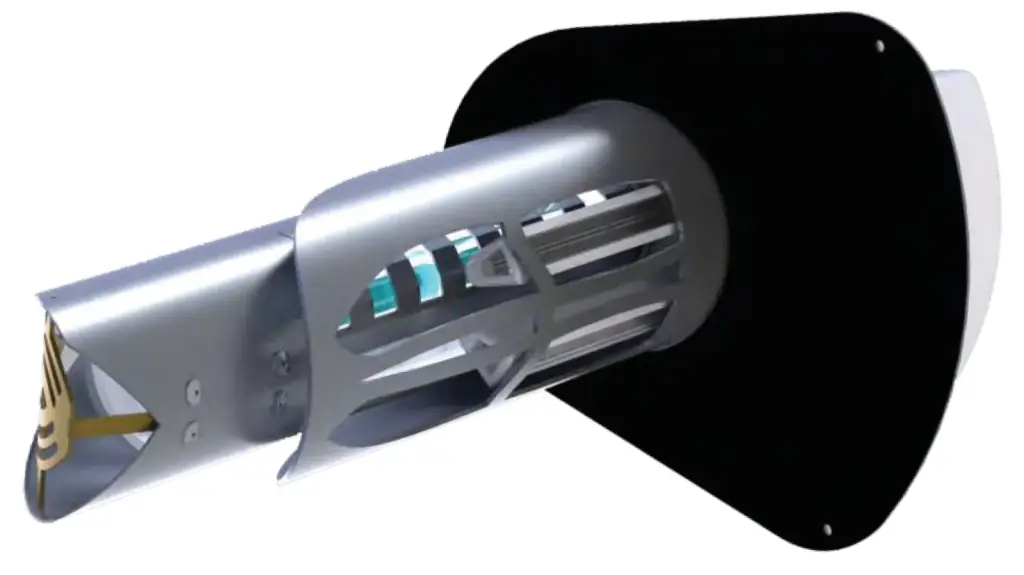
If you've been shopping for air purification in New York, you've probably run into two intimidating names: Photohydroionization and REME HALO. Clean Science Solutions is a licensed brand and distributor of technology made by RGF Environmental Group, Inc., and both of those names belong to RGF products it sells. Here's what each one does, where it sits, and what happens to the by-products, using the manufacturer's own descriptions.
First, how this differs from a filter
A filter is a physical screen. Air passes through, and particles larger than the openings get caught. That's useful, and no one is suggesting you stop using filters. But a screen only catches what it can hold, and gases and odors slip through the mesh because they're far too small to trap.
These technologies work a different way. They produce an oxidizing treatment in the air stream, the same general kind of chemistry nature uses outdoors, and that treatment acts on odors, gases and microbes rather than waiting for them to land on a surface. The company describes it as mimicking Mother Nature's cleaning process by releasing hydrogen peroxides into the air.
PHI-Cell: light, water vapor and a coated surface
PHI stands for Photohydroionization. Per the manufacturer, the PHI-Cell uses broad-spectrum, high-intensity ultraviolet light shining on a hydrated surface, a catalyst made of four metals with a proprietary hydrophilic coating. Hydrophilic simply means it holds on to water. Humidity in the air collects on that surface, the light hits it, and the result is what the manufacturer calls an advanced oxidation plasma.
The plasma contains three things: hydro-peroxides, superoxide ions and hydroxide ions. Those are reactive for a short time, long enough to act on a pollutant, and then they revert to oxygen and hydrogen. That last part is the sentence to remember. According to RGF, the treatment doesn't leave a residue behind. It breaks down into the same components found in ordinary air and water vapor.
RGF says the PHI-Cell has been used globally for over 20 years with a perfect safety record. That's the manufacturer's statement, and it's worth asking for the documentation when you evaluate any technology.
REME HALO: an energy cell in the duct
The REME HALO is the in-duct unit. Instead of ultraviolet light, it uses an electromagnetic energy cell. The cell produces ionized hydro-peroxides, a plasma made from oxygen and the moisture already in the air. The manufacturer says the REME HALO is designed to address odors, air pollutants, VOCs, smoke, mold, bacteria and viruses, and it describes the unit as designed to eliminate sick building syndrome risks.
VOCs, short for volatile organic compounds, are the gases that come off paint, adhesives, cleaning products, carpet and furniture. You can't see them and a filter doesn't hold them, but you might notice them as a stale or chemical smell. Treating gases like these is one reason oxidation technology exists alongside filtration.
The REME HALO also acts on dust and particles through what's called bi-polar ionization. In plain terms, the particles pick up an electrical charge and clump together. Larger clumps either fall out of the air or get caught by your existing filter more easily. So the cell and the filter work together, rather than competing.
Where it sits in the duct
Clean Science Solutions says in-HVAC units go on the supply side, near the source, to treat fresh inlet air. That means the unit is in the duct that carries conditioned air toward the rooms, close to the air handler, so the treatment is carried through the system by the airflow the building already creates. The exact spot is something an engineer settles during an assessment, after reviewing the fan schedule and the physical duct structures.
What the manufacturer says about results
The company's technology page says that independent third-party labs and universities have reported its technology renders airborne toxins inactive by up to 99%. The homepage frames it as more than 99% effective in reducing surface and airborne bacteria, mold, odors, viruses and other VOCs. Those are the manufacturer's figures as published on the site, and results in any real building depend on the space, the airflow and the unit selected, which is why the assessment comes first.
On scale, the technology page says more than one million advanced oxidation cells have been in use around the globe, and it describes the technology as more than 20 years old. The company says it has been licensed to organizations in healthcare, food processing, hospitality, government and other sectors.
Quick glossary for your next meeting
- Advanced oxidation: treating air with reactive hydrogen- and oxygen-based molecules that act on pollutants and then revert.
- PHI-Cell: the Photohydroionization cell, using ultraviolet light on a hydrated, coated catalyst surface.
- REME HALO: the in-duct unit using an electromagnetic energy cell to produce ionized hydro-peroxides.
- Hydro-peroxides: oxygen and hydrogen compounds the cell produces from humidity and oxygen already in the air.
- Bi-polar ionization: charging particles so they clump, then fall out or get caught by the filter.
If you'd like to see whether a PHI-Cell or REME HALO fits your New York building, request an assessment through the quote form or call Clean Science Solutions at (917) 407-5822.
Clean Science Solutions, (917) 407-5822
Call (917) 407-5822More articles
What a Fan Schedule Tells an Engineer About How Many Purifier Units Your Space Needs
Square footage tells you how big a space is; the fan schedule tells you how the air actually moves through it.
Basic, Professional or Premium: Which Installation Package Fits Your Building
The units are the same; the difference is how much of the installation your own people take on.